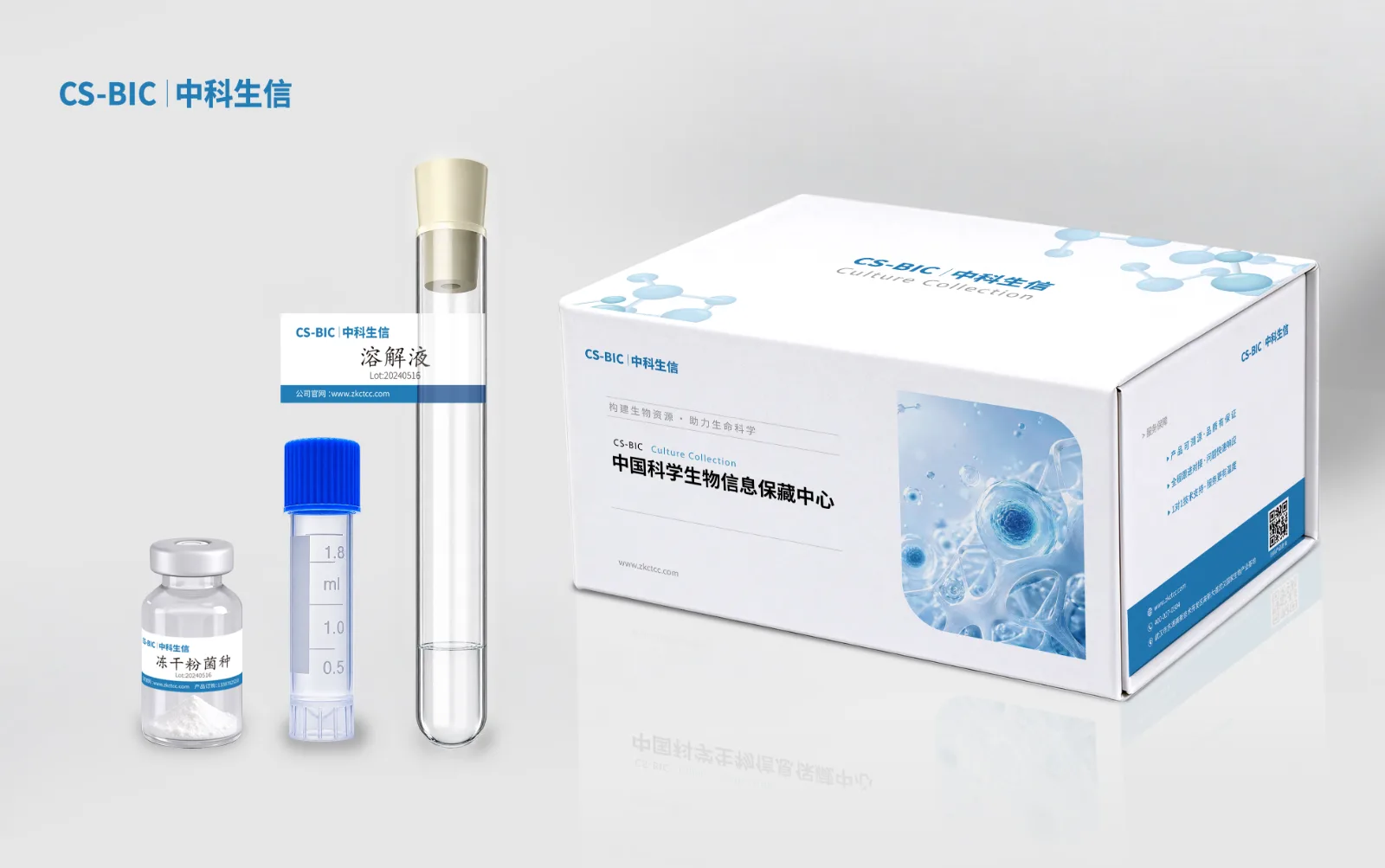
Description
产品说明
| 所属分类 | 微生物 > 模式菌株 |
|---|---|
| 品牌 / 来源 | CS-BIC | 中科生信 |
| 应用 | 科研,生产,在pH5.5和7.5下产生活性脂肪酶。 |
| 培养基 | ATCC®培养基28:Emmons对Sabouraud琼脂的改性,ATCC®培养基200:YM琼脂或YM肉汤,ATCC®培养基1245:Yepd |
| 存储人 | NRRL |
| 出品公司 | ATCC |
| 分离来源 | Frass in bark of spruce, Austria |
| 参考文献 | Pridham TG. New names and new combinations in the order Actinomycetales Buchanan 1917. U.S. Dep. Agric. Tech. Bull. 1424: 1-55, 1970. Hou CT. pH dependence and thermostability of lipases from cultures from the ARS Culture Collection. J. Ind. Microbiol. 13: 242-248, 1994. Kurtzman CP, Robnett CJ, Basehoar-Powers E. Phylogenetic relationships among species of Pichia, Issatchenkia and Williopsis determined from multigene sequence analysis, and the proposal of Barnettozyma gen. nov., Lindnera gen. nov. and Wickerhamomyces gen. nov.. FEMS Yeast Res. 8: 939-954, 2008. PubMed: 18671746 |
| 模式菌株 | 是 |
| 生长条件 | 24-26 ℃, 有氧 |
| 菌株特点 | ATCC 10627 Wickerhamomyces bisporus ,双孢柳枝菌 |
| 菌株类型 | Wickerhamomyces bisporus ,双孢柳枝菌 |
| 菌种又名 | NRRL Y-1482 [CBS 1890, CCRC 20468, IFO 0803, JCM 3590, NCYC 494] |
| 菌种名称 | ATCC 10627 , ATCC10627 |
| 产品目录号 | 10627 |
| 生物安全等级 | 1 |
| 其他保藏库编号 | BCRC20468,ATCC 10627 ;CBS 1890 ;IFO 803 ;JCM 3590 ;NCYC 494 ;NRRL Y-1482 |
| ATCC10627标准菌株基本信息 | ATCC ATCC 10627 , ATCC10627 NRRL Y-1482 [CBS 1890, CCRC 20468, IFO 0803, JCM 3590, NCYC 494] Wickerhamomyces bisporus ,双孢柳枝菌 NRRL Frass in bark of spruce, Austria 10627 BCRC20468,ATCC 10627 ;CBS 1890 ;IFO 803 ;JCM 3590 ;NCYC 494 ;NRRL Y-1482 ATCC®培养基28:Emmons对Sabouraud琼脂的改性,ATCC®培养基200:YM琼脂或YM肉汤,ATCC®培养基1245:Yepd 24-26 ℃, 有氧 1 是 科研,生产,在pH5.5和7.5下产生活性脂肪酶。 ATCC 10627 Wickerhamomyces bisporus ,双孢柳枝菌 Pridham TG. New names and new combinations in the order Actinomycetales Buchanan 1917. U.S. Dep. Agric. Tech. Bull. 1424: 1-55, 1970. Hou CT. pH dependence and thermostability of lipases from cultures from the ARS Culture Collection. J. Ind. Microbiol. 13: 242-248, 1994. Kurtzman CP, Robnett CJ, Basehoar-Powers E. Phylogenetic relationships among species of Pichia, Issatchenkia and Williopsis determined from multigene sequence analysis, and the proposal of Barnettozyma gen. nov., Lindnera gen. nov. and Wickerhamomyces gen. nov.. FEMS Yeast Res. 8: 939-954, 2008. PubMed: 18671746 |
Related