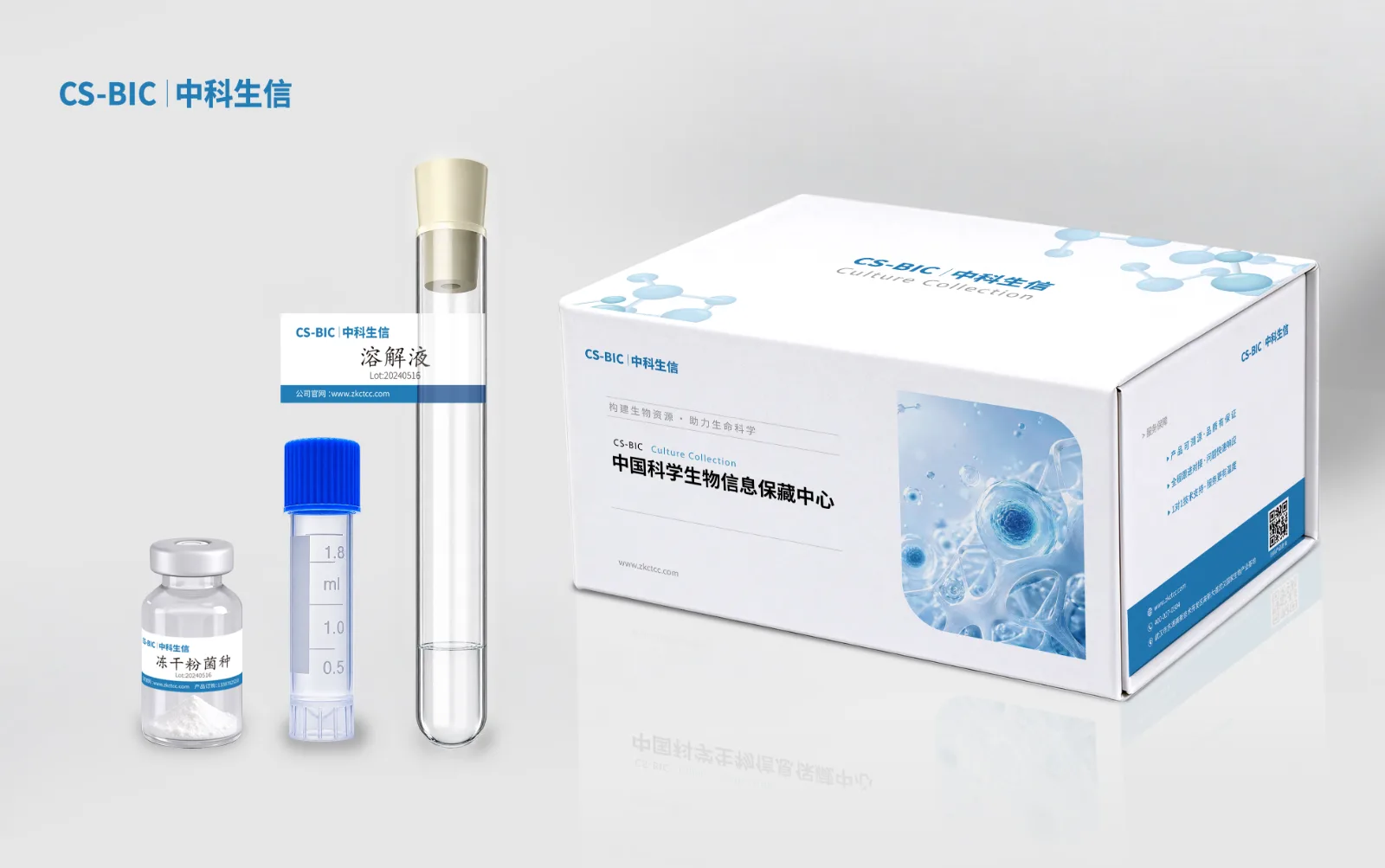
Description
产品说明
| 所属分类 | 微生物 > 模式菌株 |
|---|---|
| 品牌 / 来源 | CS-BIC | 中科生信 |
| 应用 | 识别控制应变、线粒体DNA的映射 |
| 培养基 | YM琼脂或YM肉汤培养基, YEPD培养基, Sabouraud琼脂培养基 |
| 存储人 | CBS |
| 出品公司 | ATCC |
| 分离来源 | 粪便 |
| 参考文献 | Anderson HW. Yeast-like fungi of the human instestinal tract. J. Infect. Dis. 21: 341-385, 1917. Lodder J, de Vries NF. Some notes on Torulopsis glabrata (Anderson) nov. comb. Mycopathol. Mycol. Appl. 1: 98-103, 1938. Sato M, et al. Growth inhibitory properties of chalcones to Candida. Lett Appl Microbiol 18: 53-55, 1994. . . Curr. Genet. 1: 209-217, 1980. Maiwald M, et al. Rapid presumptive identification of medically relevant yeasts to the species level by polymerase chain reaction and restriction enzyme analysis. J. Med. Vet. Mycol. 32: 115-122, 1994. PubMed: 8064542 |
| 模式菌株 | 是 |
| 生长条件 | 24-26 ℃, 典型的有氧 |
| 菌株特点 | ATCC2001是光滑念珠菌。 ATCC 2001应用于识别控制应变、线粒体DNA的映射。 ATCC 2001能够在YM琼脂或YM肉汤培养基, YEPD培养基, Sabouraud琼脂培养基中生长。 Nucleotide (GenBank) : JQ070075 ITS including 5.8S rRNA gene Nucleotide (GenBank) : KU729137 D1/D2 region of 28S rRNA gene |
| 菌株类型 | Candida glabrata (Anderson) Meyer et Yarrow, 光滑念珠菌,光滑假丝酵母 |
| 菌种又名 | CBS 138 |
| 菌种名称 | ATCC2001 , ATCC 2001 |
| 产品目录号 | 2001 |
| 生物安全等级 | 1 |
| ATCC2001标准菌株基本信息 | ATCC ATCC2001, ATCC 2001 CBS 138 Candida glabrata (Anderson) Meyer et Yarrow, 光滑念珠菌,光滑假丝酵母 CBS 粪便 2001 YM琼脂或YM肉汤培养基, YEPD培养基, Sabouraud琼脂培养基 24-26 ℃, 典型的有氧 1 是 识别控制应变、线粒体DNA的映射 ATCC2001是光滑念珠菌。 ATCC 2001应用于识别控制应变、线粒体DNA的映射。 ATCC 2001能够在YM琼脂或YM肉汤培养基, YEPD培养基, Sabouraud琼脂培养基中生长。 Nucleotide (GenBank) : JQ070075 ITS including 5.8S rRNA gene Nucleotide (GenBank) : KU729137 D1/D2 region of 28S rRNA gene Anderson HW. Yeast-like fungi of the human instestinal tract. J. Infect. Dis. 21: 341-385, 1917. Lodder J, de Vries NF. Some notes on Torulopsis glabrata (Anderson) nov. comb. Mycopathol. Mycol. Appl. 1: 98-103, 1938. Sato M, et al. Growth inhibitory properties of chalcones to Candida. Lett Appl Microbiol 18: 53-55, 1994. . . Curr. Genet. 1: 209-217, 1980. Maiwald M, et al. Rapid presumptive identification of medically relevant yeasts to the species level by polymerase chain reaction and restriction enzyme analysis. J. Med. Vet. Mycol. 32: 115-122, 1994. PubMed: 8064542 |
Related